Reading labels, one question at a time
Short pieces on what an ingredient list really says. No scare stories, no miracle claims.
Parabens on a label: what they are, why brands dropped them, and how to spot them
Methylparaben, propylparaben, butylparaben. Here is what the paraben family does in a cream, why so many packs now say paraben-free, and what took their place.
3 Oct 2026
Sulfate-free shampoo: what the label means, what counts, and the cousins that slip through
SLS, SLES, ALS. Sulfates are the cleansers that make shampoo foam. Here is how to read them, and why a bottle can be sulfate-free and still lather.
2 Oct 2026
Silicones in hair care: how to spot them on a label and when it matters
Dimethicone, amodimethicone, cyclopentasiloxane. Silicones are why conditioner feels silky. Here is how to read them, and why the silicone-free question has two sides.
1 Oct 2026
How to read a cosmetic ingredient list in 60 seconds
You do not need to know 7,000 ingredients. You need the order rule, five name endings, and a short list of the words that matter for your skin.
30 Sept 2026
Why we sometimes say "not sure", and why that is the honest answer
Most label checkers force every product into yes or no. We keep a third answer, because the ingredient list often does not contain enough to decide.
29 Sept 2026
Is glycerin vegan? Why the honest answer is often "not sure
Glycerin is in more than a third of the products we check. It can come from plants, from animal fat, or from a factory, and the label does not say which.
28 Sept 2026
Fragrance-free vs unscented: what the label actually means
They sound like the same promise. On an ingredient list they are two different things, and only one of them is a fact you can check.
27 Sept 2026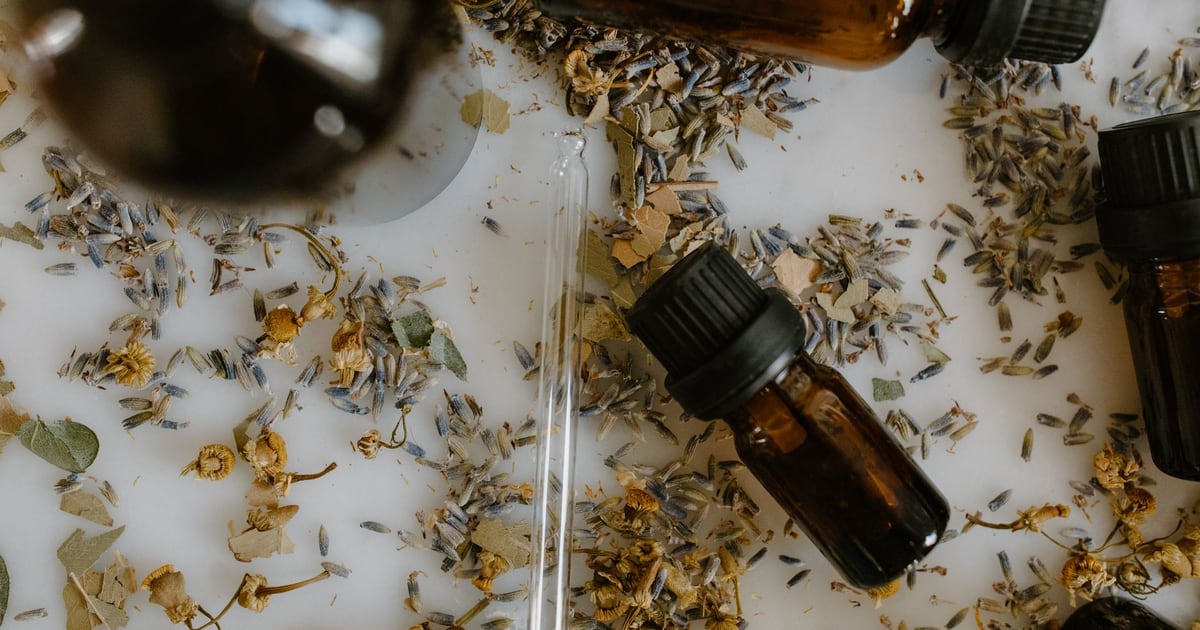
Essential oils are fragrance too: the natural scent loophole
A product can skip Parfum and still be full of scent. Lavender, citrus peel and tea tree oils are fragrance on a label, and they carry the same allergens.
26 Sept 2026
What "dermatologically tested" does and does not mean
It is one of the most common phrases on a pack, and one of the least defined. Here is what it usually stands for, and the claims on the label you can actually verify.
25 Sept 2026
Alcohol on the label: the two kinds, and why only one counts
Cetearyl Alcohol and Alcohol Denat share a word and nothing else. One is a wax that softens skin, the other is the ethanol that dries it.
24 Sept 2026
The 20 most common skincare ingredients, explained in one line
Water, Parfum, Glycerin, Citric Acid, Limonene and 15 more: the ingredients found most often in the 14,065 products we checked, each explained in plain words.
23 Sept 2026
Mineral oil and petrolatum: names, purity grades, vegan question
Mineral oil, petrolatum and paraffin wax are in 1,200 of our products. What they are, why the EU allows only refined grades, and why they pass a vegan check.
22 Sept 2026
Baby wash ingredients: what to look for on the label
We checked 526 baby and kids products. 48 percent contain fragrance, 85 percent are sulfate free. What labels show and the rules the EU sets for under-threes.
21 Sept 2026
Why the same product has different ingredients in the EU and US
Same brand, same name, different label. EU rules ban about 1,700 substances and force allergen disclosure; US rules do not. What our labels show, with examples.
20 Sept 2026
What "hypoallergenic" means legally: nothing, and here is why
Hypoallergenic has no legal definition in the EU or the US. 120 of the 182 products in our data that use it list fragrance. What it promises and what to check.
19 Sept 2026
Is beeswax vegan? Cera alba, synthetic beeswax and label tricks
Beeswax is not vegan, and 486 of our products contain it, mostly lip balms and mascaras. Cera Alba, synthetic beeswax and the plant waxes that replace it.
18 Sept 2026
Fragrance allergens: the 26 names the EU makes brands list
Limonene, linalool, citronellol and 23 others must be named on EU labels. Half of our products list at least one. The full list, the counts and the 2026 change.
17 Sept 2026
Phenoxyethanol: the preservative that replaced parabens
Phenoxyethanol is in 22 percent of the products we checked, five times more than any paraben. What it is, why the EU caps it at 1 percent, and how to read it.
16 Sept 2026
Cocamidopropyl betaine: sulfate free, but not for everyone
Cocamidopropyl betaine is in 2,743 of our products and most sulfate free washes. Mild, coconut-based, not a sulfate, and still a problem for some people.
15 Sept 2026
How common are silicones? What 14,000 labels show
22 percent of the products we checked contain a silicone. In anti-dandruff shampoo it is 65 percent, in shower gel 1 percent. The table and the names to know.
14 Sept 2026
Is Nivea Creme vegan? The lanolin question, answered
Nivea Creme is not vegan: the blue tin lists lanolin alcohol, a wool-derived ingredient. What the label says, which Nivea products pass, and what to look for.
13 Sept 2026