
Triclosan
Triclosan appears on 29 ingredient lists in our database, most often in deodorants.
What it triggers
- Vegan originYesno animal source
- FragranceNonot a perfume ingredient
- ParabenNonot a preservative of this family
- SulfateNonot a sulfate surfactant
- SiliconeNonot a silicone
- AlcoholNonot a drying alcohol
What it does
Triclosan appears on 29 ingredient lists in our database, most often in deodorants.
It does not belong to any of the six groups we check, so it never changes a verdict.
We have not written the plain-language note for this ingredient yet; the facts above come straight from how it is classified.
Functions: antimicrobial, deodorant, preservative
Products with Triclosan
in 29 products
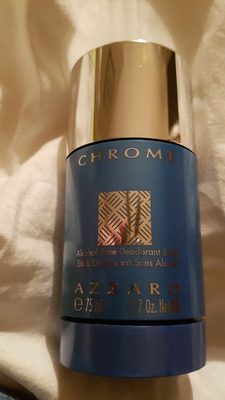 Azzaro Stick déodorant chromeAzzaro · deodorant
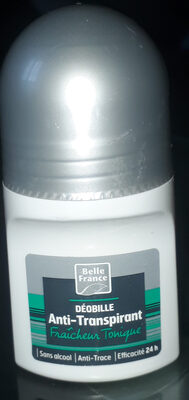 belle France deobillebelle France
- no photoAzelderm %20 KremAzelderm · skin care
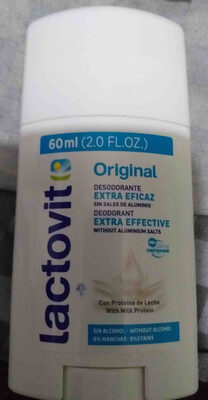 Lactovit OriginalLactovit
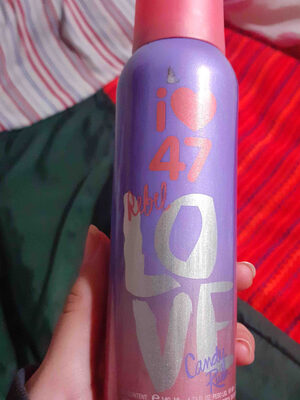 47 Street Rebel love candy rush47 Street
- no photoTulipán Negro Original Deo StickTulipán Negro · deodorant
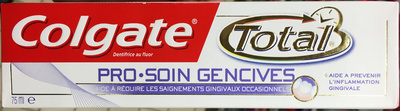 Colgate Total Pro-Soin GencivesColgate · toothpaste
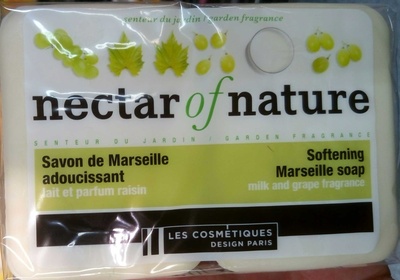 Les cosmétiques design Paris Savon de Marseille , lait et parfum raisinLes cosmétiques design Paris · bar soap
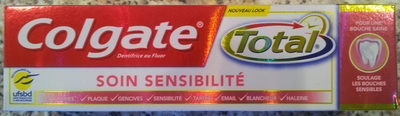 Colgate Total soin sensibilitéColgate · toothpaste
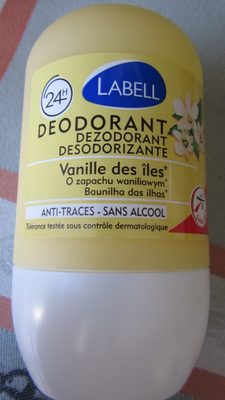 Labell Déodorant Vanille des îlesLabell · deodorant
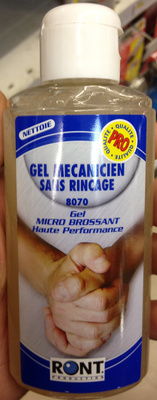 Ront Production Gel mécanicien sans rinçageRont Production · liquid soap
- no photoBogena UierzalfBogena · hand cream
 Avon TrekkingAvon · perfume
- no photoMa Grifff The ManMa Grifff · deodorant
- no photoMarque Repère Déodorant VétiverMarque Repère · deodorant
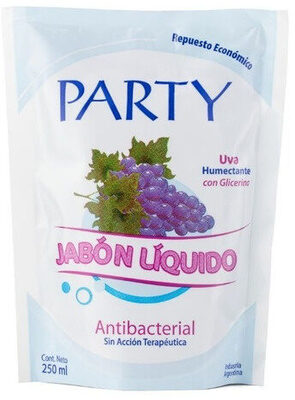 Party Antibacterial liquid soap with glycerinParty · liquid soap
 Dream cosmetics SpringDream cosmetics
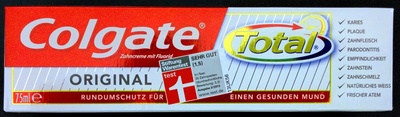 Colgate Total OriginalColgate · toothpaste
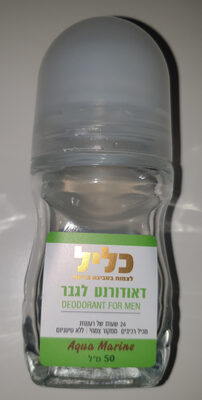 כליל דאודורנט לגבר Aqua Marineכליל · deodorant
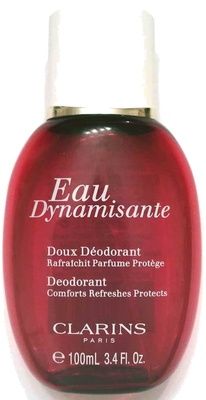 Clarins Eau dynamisanteClarins · deodorant
- no photoTulipán Negro Deo stick for men sportTulipán Negro · deodorant
- no photoBeardo Whiskey Smoke Body SprayBeardo · deodorant
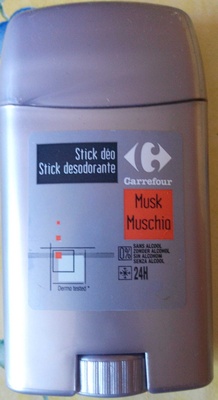 Carrefour Stick déo MuskCarrefour · deodorant
- no photoGillette Aloe ScentGillette · perfume
Showing 24 of 29 products with this ingredient, most scanned first.
In the EU ingredient database
- antimicrobial
- deodorant
- preservative
- antimicrobial: Preventing and/or slowing down microbial growth.
- deodorant: Reducing and/or eluminating unpleasant odour. Contributing against the formation of malodour on body surfaces.
- preservative: Exclusively or mainly intended to inhibit the development of micro-organisms in the cosmetic product. All authorised preservatives are substances in the positive list of Annex V to the Cosmetics Regulation 1223/2009.
CAS 3380-34-5 · EC 222-182-2
Listed in Annex V (ref. 25) of the EU Cosmetics Regulation, maximum concentration 0.3%. Toothpastes; Hand soaps; Body soaps/Shower gels; Deodorants (non-spray); Face powders and blemish concealers; Nail products for cleaning the fingernails and toenails before the application of artificial nail systems; V/25 For toothpaste containing Triclosan the following labelling is obligatory: ‘Not to be used for children under 3 years of age’.
Source: CosIng, European Commission. Informative, no legal value; the regulation text is the reference.