
Oleic/Linoleic/Linolenic Polyglycerides
Oleic/Linoleic/Linolenic Polyglycerides appears on 13 ingredient lists in our database, most often in lip balms.
What it triggers
- Vegan originNot sureorigin not on file
- FragranceNonot a perfume ingredient
- ParabenNonot a preservative of this family
- SulfateNonot a sulfate surfactant
- SiliconeNonot a silicone
- AlcoholNonot a drying alcohol
What it does
Oleic/Linoleic/Linolenic Polyglycerides appears on 13 ingredient lists in our database, most often in lip balms.
It does not belong to any of the six groups we check, so it never changes a verdict.
We have not written the plain-language note for this ingredient yet; the facts above come straight from how it is classified.
Functions: binding, skin conditioning - emollient, emulsion stabilising, surfactant - cleansing, viscosity controlling
Products with Oleic/Linoleic/Linolenic Polyglycerides
in 13 products
- no photoLaino Soin des lèvres Pro intenseLaino · lip balm
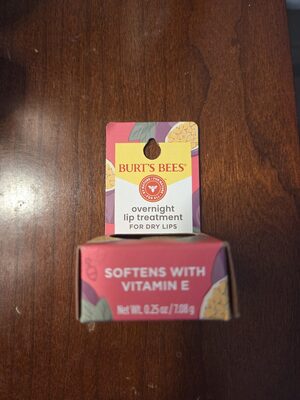 Burt's Bees Overnight Lip TreatmentBurt's Bees · lip balm
 Inell Lait corps sous la doucheInell · shower gel
- no photoLe Petit Marseillais Après shampooing cheveux & cuir cheveluLe Petit Marseillais · hair conditioner
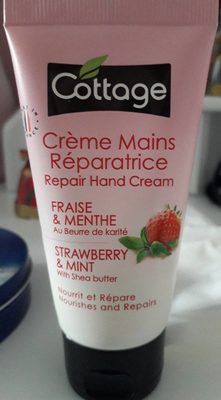 Groupe Panther Repair hand cream strawberry & mintGroupe Panther · hand cream
- no photoLaino Lip careLaino · lip balm
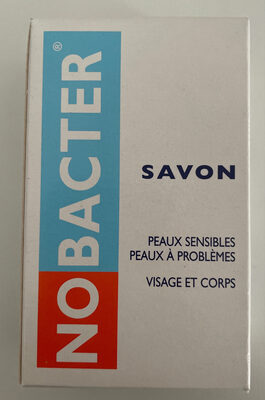 Eucerin No Bacter savonEucerin · bar soap
 Guérande Soin visage jour et nuitGuérande · face care
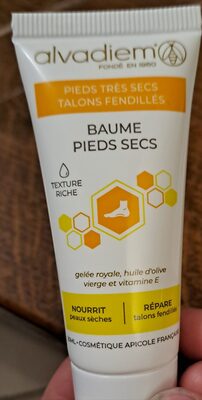 Alvadiem Baume pieds secsAlvadiem · foot care
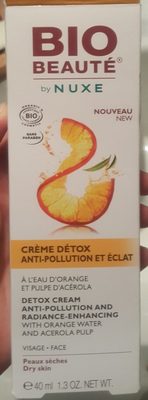 Nuxe Crème détox anti-pollution et éclat - Bio BeautéNuxe · cream or lotion
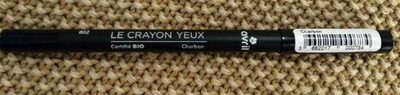 Avril Lápis contorno de olhos BioAvril
- no photoCarrefour Baby Crema cambio pañal my babyCarrefour Baby · baby care
- no photoCosmia Bio Soin des lèvresCosmia Bio · lip balm
Showing 13 of 13 products with this ingredient, most scanned first.
In the EU ingredient database
- binding
- skin conditioning - emollient
- emulsion stabilising
- surfactant - cleansing
- viscosity controlling
- binding: Providing adhesive properties during and after compression in cosmetic tablets and/or cakes.
- skin conditioning - emollient: Acting as lubricants on the skin surface providing the skin with a soft and smooth appearance.
- emulsion stabilising: Helping the process of emulsification and improving emulsion stability and shelf-life.
- surfactant - cleansing: Wetting body surfaces, emulsifying or solubilizing oils, and suspending soil (generally, such ingredients contribute to the foaming and lathering properties of cleansing products).
Not on a restricted-substances annex. Listed as an allowed cosmetic ingredient.
Source: CosIng, European Commission. Informative, no legal value; the regulation text is the reference.