Cyclotetrasiloxane
Cyclotetrasiloxane appears on 5 ingredient lists in our database, most often in antiperspirants.
What it triggers
- Vegan originNot sureorigin not on file
- FragranceNonot a perfume ingredient
- ParabenNonot a preservative of this family
- SulfateNonot a sulfate surfactant
- SiliconeYesthis is a silicone
- AlcoholNonot a drying alcohol
If a product lists Cyclotetrasiloxane, its silicone-free answer is No. Nothing else changes.
What it does
Cyclotetrasiloxane appears on 5 ingredient lists in our database, most often in antiperspirants.
On the label it counts as silicone, which is why a product that lists it cannot be silicone-free.
We have not written the plain-language note for this ingredient yet; the facts above come straight from how it is classified.
Functions: skin conditioning - emollient, hair conditioning, solvent
Products with Cyclotetrasiloxane
in 5 products
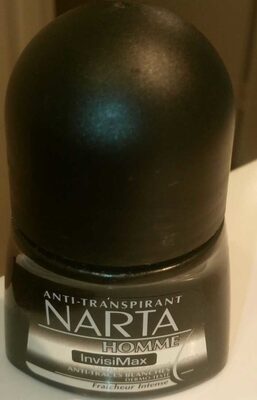
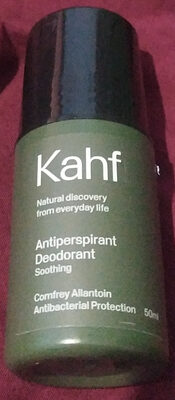 Kahf Antiperspirant deodorantKahf · antiperspirant
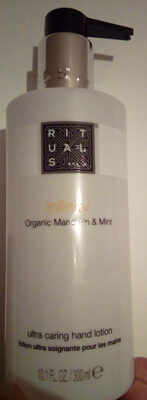 Rituals Infinity Organic Mandarin & Mint lotion ultra soignante pour les mainsRituals · hand cream
- no photoOgx Renewing Argan Oil of Morocco Extra Penetrating OilOgx · body and face oil
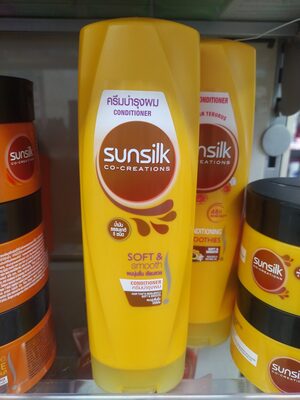 Sunsilk Co-Creations Smooth and Soft ConditionerSunsilk Co-Creations · hair conditioner
- no photoDermaveen Soothing Oatmeal ConditionerDermaveen · hair conditioner
Showing 5 of 5 products with this ingredient, most scanned first.
In the EU ingredient database
- skin conditioning - emollient
- hair conditioning
- solvent
- skin conditioning - emollient: Acting as lubricants on the skin surface providing the skin with a soft and smooth appearance.
- hair conditioning: Enhancing the appearance and feel of hair. Leaving the hair easy to comb, supple, soft and shiny and/or imparting volume, lightness, gloss, texture, etc.
- solvent: Dissolving other components of cosmetics. Solvents are usually liquids (aqueous and nonaqueous).
CAS 556-67-2 / 293-51-6 · EC 209-136-7 / -
Listed in Annex II (ref. 1388) of the EU Cosmetics Regulation. II/1388
Source: CosIng, European Commission. Informative, no legal value; the regulation text is the reference.